
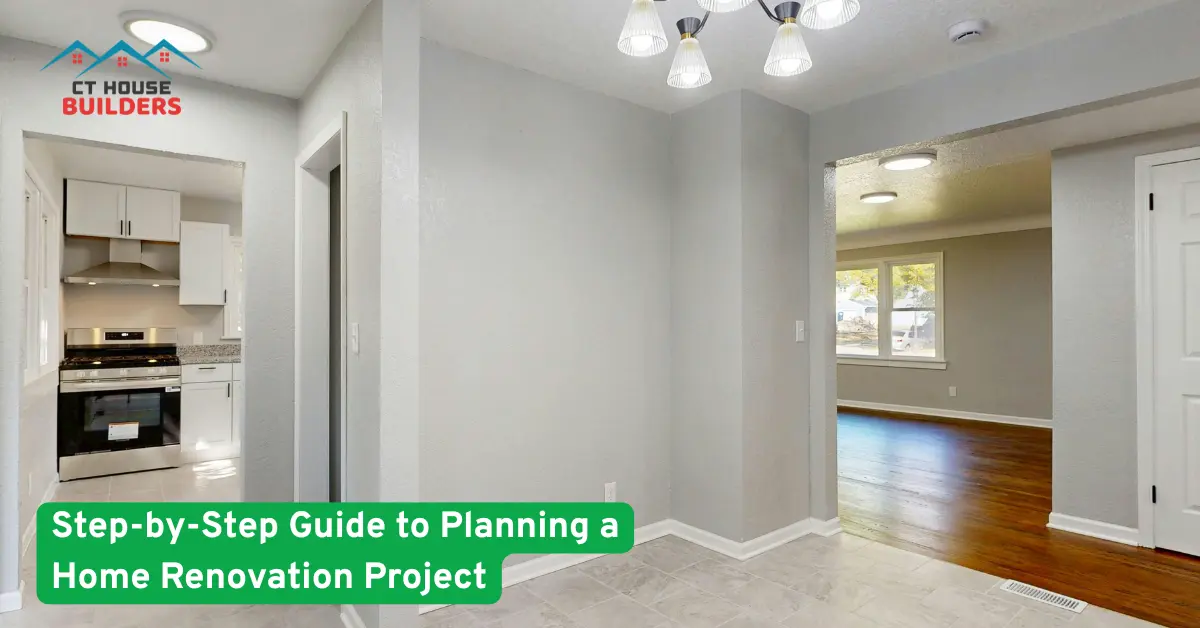
Planning a home renovation can be exciting, but it can also feel overwhelming if you don’t know where to start. Whether you want to remodel your kitchen, upgrade your bathroom, or renovate your entire home, proper planning is the key to a successful project.
A well-planned renovation helps you stay within budget, avoid delays, and achieve the results you want. In this step-by-step guide, we’ll explain everything homeowners need to know to plan a successful home renovation project.
1. Define Your Renovation Goals
The first step in planning a home renovation is to clearly define what you want to achieve.
Ask yourself questions such as:
-
What areas of the house need renovation?
-
Is the renovation for comfort, functionality, or resale value?
-
What problems are you trying to solve?
For example, some homeowners renovate to create more storage space, while others want to modernize outdated rooms or increase property value.
Make a list of priorities and decide which parts of the renovation are must-have features and which are optional.
2. Set a Realistic Renovation Budget
Budget planning is one of the most important steps in any home renovation project.
Your budget should include:
-
Construction costs
-
Labor costs
-
Materials and fixtures
-
Permits and inspections
-
Unexpected repairs
Experts recommend adding 10–20% extra to your budget for unexpected expenses. Hidden issues such as plumbing problems or electrical upgrades can increase costs during the renovation.
Creating a detailed budget early helps prevent financial stress later in the project.
3. Research Design Ideas and Inspiration
Before starting your renovation, spend time gathering inspiration and design ideas.
You can explore ideas from:
-
Home renovation blogs
-
Interior design magazines
-
Social media platforms
-
Home improvement websites
Look for styles, colors, materials, and layouts that match your preferences and lifestyle.
For example, popular renovation trends include:
-
Open-concept living spaces
-
Modern kitchens with islands
-
Energy-efficient windows
-
Smart home technology
Having a clear design vision will help contractors understand your expectations.
4. Hire the Right Renovation Contractor
Choosing the right contractor is crucial for a successful home renovation.
When selecting a contractor, consider the following:
-
Experience and reputation
-
Licensing and insurance
-
Portfolio of past projects
-
Customer reviews
-
Written estimates and contracts
A professional contractor will help you with design planning, permits, construction scheduling, and quality control.
Working with experienced renovation professionals also reduces the risk of costly mistakes.
5. Create a Detailed Renovation Plan
Once you have a contractor and a clear design concept, the next step is to develop a detailed renovation plan.
Your renovation plan should include:
-
Project timeline
-
Construction phases
-
Material selection
-
Budget breakdown
-
Responsibilities of each team member
A clear plan ensures that everyone involved in the renovation understands the project goals and deadlines.
This step helps prevent confusion and delays during construction.
6. Obtain Permits and Approvals
Many home renovation projects require permits from local authorities.
Permits may be required for:
-
Structural changes
-
Electrical work
-
Plumbing upgrades
-
Roof replacement
-
Major remodeling projects
Failing to obtain the required permits can result in fines, project delays, or legal issues.
Your contractor can usually help you apply for the necessary permits and ensure the renovation meets building regulations.
7. Choose High-Quality Materials
Material selection plays a major role in the durability and appearance of your renovation.
Consider factors such as:
-
Quality and durability
-
Maintenance requirements
-
Energy efficiency
-
Cost vs long-term value
For example:
-
Quartz countertops are durable and low maintenance
-
Hardwood flooring adds long-term value to homes
-
Energy-efficient windows reduce heating and cooling costs
Investing in quality materials can improve both the functionality and value of your home.
8. Prepare Your Home for Renovation
Before construction begins, you should prepare your home and family for the renovation process.
Steps may include:
-
Removing furniture from renovation areas
-
Protecting floors and walls
-
Setting up temporary living spaces
-
Planning alternative cooking arrangements if renovating the kitchen
Home renovations can be noisy and disruptive, so preparation helps minimize inconvenience.
9. Monitor the Renovation Progress
Even if you hire professionals, it’s important to stay involved during the renovation.
You should:
-
Communicate regularly with your contractor
-
Review progress updates
-
Address issues quickly
-
Confirm materials and design choices
Regular communication helps ensure the renovation stays on schedule and within budget.
10. Final Inspection and Project Completion
Once the renovation work is completed, conduct a final inspection with your contractor.
During this inspection:
-
Check that all work meets the agreed plan
-
Verify quality and finishing details
-
Confirm that permits and inspections are completed
If any adjustments are needed, they should be addressed before final payment.
After the project is finished, you can finally enjoy your newly renovated home.
Benefits of Proper Renovation Planning
Planning your renovation carefully provides several advantages:
-
Reduces unexpected costs
-
Prevents construction delays
-
Ensures better design decisions
-
Improves project efficiency
-
Increases property value
A well-planned renovation can transform your home into a more comfortable, functional, and valuable space.
Frequently Asked Questions (FAQs)
1. How long does a home renovation project usually take?
The duration of a home renovation depends on the size and complexity of the project. Small renovations may take 2–4 weeks, while full home renovations can take 3–6 months or longer.
2. How much should I budget for a home renovation?
The cost varies depending on the scope of work, materials, and labor. Most homeowners spend between $10,000 and $100,000+ depending on the size of the renovation.
3. Do I need permits for home renovation projects?
Yes, many renovations require permits, especially if they involve structural changes, electrical work, or plumbing modifications.
4. How do I choose the best renovation contractor?
Look for contractors with experience, positive reviews, proper licensing, insurance, and a strong portfolio of past projects.
5. What renovations add the most value to a home?
Renovations that typically add the most value include:
-
Kitchen remodeling
-
Bathroom upgrades
-
Energy-efficient improvements
-
Adding living space
-
Improving curb appeal
Conclusion
Planning a home renovation project doesn’t have to be stressful. By following a clear step-by-step process—defining your goals, setting a budget, hiring the right contractor, and monitoring progress—you can ensure a smooth renovation experience.
With proper planning and professional support, your renovation project can transform your home, improve comfort, and significantly increase property value.






)