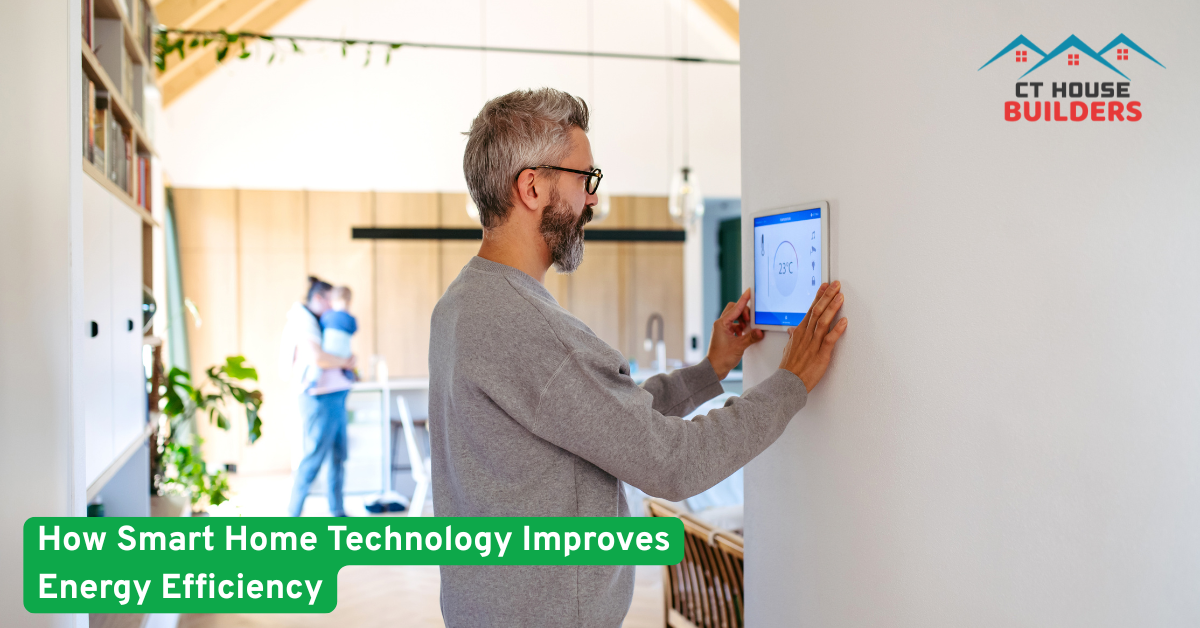
Is your monthly utility bill starting to look like a second mortgage? You’re likely here because you’ve realized that traditional home management is no longer sustainable for your wallet or the planet. Understanding How Smart Home Technology Improves Energy Efficiency is the key to transforming a “dumb” house into a high-performing asset. By integrating automated systems, homeowners can stop reacting to high costs and start preventing them. In fact, research by the Department of Energy suggests that smart thermostats alone can save homeowners up to 10% annually on heating and cooling, proving that intelligence is the ultimate resource for conservation.
The Core Pillars of a Digitally Optimized Home
The modern American home is evolving from a static structure into a responsive ecosystem. When we discuss the mechanics of How Smart Home Technology Improves Energy Efficiency, we are looking at the elimination of human error. We often forget to flick a switch or adjust the dial, but a smart home never forgets.
Intelligent Climate Control
Heating and cooling account for nearly half of the average home’s energy consumption. Smart HVAC systems use occupancy sensors and geofencing to learn your schedule. Instead of heating an empty living room at 2 PM, the system scales back, only ramping up as your smartphone’s GPS signals you are heading home.
Adaptive Lighting Ecosystems
LEDs were the first step, but automation is the second. Smart lighting systems utilize:
- Motion Sensors: Automatically kill the lights in laundry rooms or hallways when no movement is detected.
- Daylight Harvesting: Dimming interior bulbs based on the amount of natural sunlight entering through the windows.
- Remote Scheduling: Ensuring porch lights are only active during dark hours, preventing daytime waste.
Beyond the Basics: Advanced Resource Management
To fully grasp the scope of How Smart Home Technology Improves Energy Efficiency, one must look at the “hidden” energy drains within a household. These are the “vampire loads”—devices that suck power even when turned off.
Smart Plugs and Energy Monitoring
Smart outlets allow you to cut power completely to appliances that don’t need to be on standby. Many of these systems provide real-time data visualizations, showing you exactly which device is the biggest culprit of waste. This data-driven approach allows for precise adjustments to your lifestyle habits.
High-Tech Building Envelopes
Modern construction now includes smart windows that can tint automatically to block solar heat gain during a blistering July afternoon. This reduces the load on your air conditioning unit, extending its lifespan and significantly lowering your carbon footprint.
Smart Water Conservation
Water heaters are the second largest energy consumers in the home. Smart water heaters allow for “vacation mode” settings via your phone, ensuring you aren’t keeping 50 gallons of water piping hot while you’re at the beach. Leak detection sensors also prevent catastrophic water waste and expensive structural damage.
Frequently Asked Questions (FAQs)
- Is the initial investment in smart tech worth the savings?
Yes. Most smart devices, particularly thermostats and lighting controllers, pay for themselves through reduced utility bills within 12 to 24 months. - Can smart technology be retrofitted into older homes?
Absolutely. While new builds have these integrated into the bones, wireless smart plugs, bulbs, and thermostats make it easy to upgrade an existing property without major renovations. - Does smart technology work during a power outage?
Many systems have battery backups or localized memory, but their main advantage is efficiency during normal operation. For total resilience, pairing them with a solar battery is ideal. - How does a smart home help the environment?
By reducing the total kilowatt-hours used, you decrease the demand on power plants, directly lowering greenhouse gas emissions associated with electricity production. - Is it difficult to manage all these different devices?
Modern smart home hubs consolidate everything into a single app or voice command system, making it incredibly user-friendly even for those who aren’t tech-savvy.
Why Choose CT House Builders for Your Smart Future?
Building a home today requires more than just wood and nails; it requires a digital blueprint for the future. At CT House Builders, we specialize in integrating these complex systems seamlessly into your home’s design. We don’t just build walls; we build intelligent environments that work for you. Our team stays at the forefront of sustainable construction, ensuring that every property we develop is a leader in resource management. When you partner with CT House Builders, you are investing in a home that is as smart as it is beautiful, backed by a reputation for integrity and innovation.
The Intelligence Advantage
Ultimately, How Smart Home Technology Improves Energy Efficiency comes down to precision. By removing the guesswork from your daily routine, you create a living space that is comfortable, cost-effective, and conscious of its environmental impact.
Build Your Smart Sanctuary
Ready to upgrade to a home that thinks for itself? Contact CT House Builders today to start designing a high-efficiency home that secures your future.