
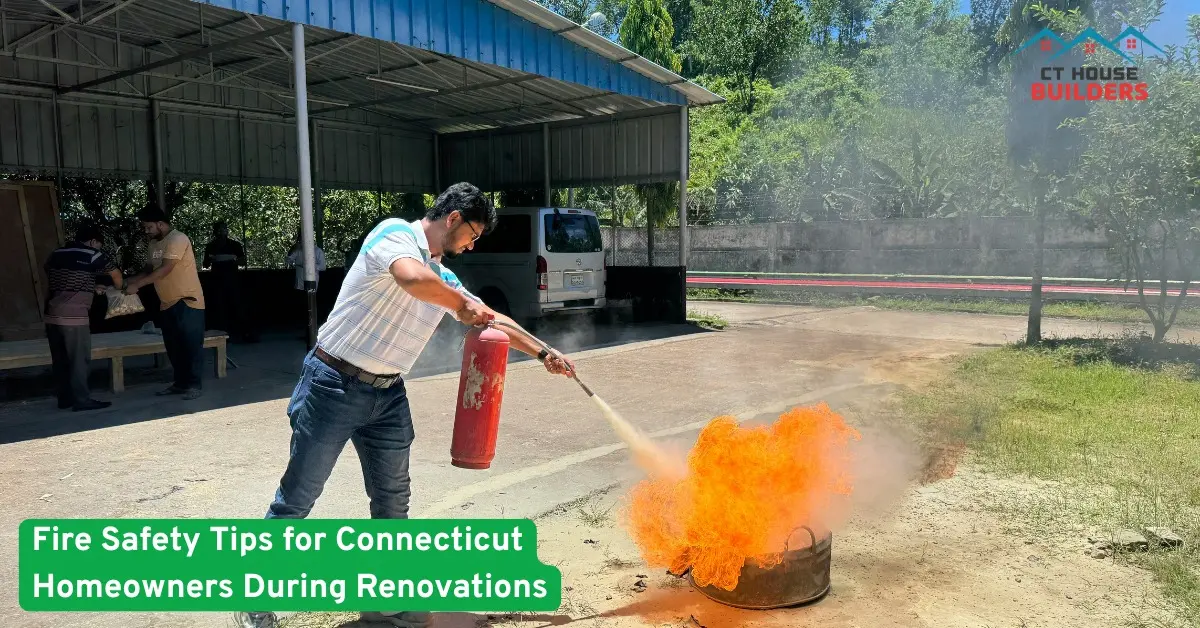
Renovating your home can be an exciting journey, but it also comes with its fair share of risks—especially when it comes to fire safety. Fire safety tips for Connecticut homeowners during renovations are essential to ensure that your home improvements don’t turn into a dangerous situation. Research shows that home renovations are responsible for a significant number of fire-related incidents each year, with electrical fires and flammable materials being major contributors. This guide will walk you through crucial fire safety measures to take during your home renovation project, ensuring a safe and successful outcome.
Why Fire Safety Should Be a Priority During Renovations
Renovations often involve heavy machinery, open flames, and the use of flammable materials, which all increase the risk of fire hazards. Whether you’re upgrading your kitchen, adding a new room, or doing a full home remodel, keeping fire safety in mind can prevent potential disasters. Connecticut, with its seasonal changes and occasional dry conditions, requires homeowners to be extra vigilant when it comes to preventing fires during home renovations.
Key Risks During Renovations:
- Electrical wiring issues leading to sparks or fires
- Flammable materials like paints, solvents, and adhesives
- Use of open flames for tasks like soldering or cutting
Implementing fire safety tips for Connecticut homeowners during renovations not only ensures a smooth renovation process but also helps avoid unnecessary accidents that could disrupt your home and cost you significantly.
Essential Fire Safety Tips for Connecticut Homeowners
1. Hire a Licensed Contractor
Hiring a licensed and insured contractor is one of the first and most important steps in ensuring fire safety during your renovation. A professional will understand the risks involved with electrical work, gas lines, and proper use of power tools. They will also ensure that the renovations comply with Connecticut’s building codes, which are designed to keep your home safe from fire hazards.
2. Inspect Electrical Wiring
Electrical issues are one of the leading causes of fire during renovations. Before starting your project, have your home’s wiring inspected by a licensed electrician. Make sure to avoid overloading circuits and ensure all wires are installed and maintained correctly to prevent sparks. Temporary wiring should always be rated for heavy-duty use and checked regularly for any wear or damage.
Tip:
- Avoid using damaged or frayed electrical cords, as they can easily spark and ignite surrounding materials.
3. Store Flammable Materials Properly
Renovations often involve the use of paint, solvents, adhesives, and other materials that can easily catch fire. To prevent accidents, store these materials in a safe, cool, dry place away from any heat sources or open flames. Always keep the lids tightly sealed on containers and follow the manufacturer’s instructions for safe storage and disposal.
Tip:
- Consider storing flammable materials outside or in a fire-resistant container to further minimize risk.
4. Manage Open Flames and Heat Sources
Open flames used in construction tasks, such as welding or cutting, pose significant fire risks if not handled properly. Ensure that workers use flame-resistant tarps or blankets around work areas to contain heat and sparks. Keep flammable materials at least 10 feet away from these activities. Always have a fire extinguisher nearby and make sure it’s easily accessible.
Tip:
- For added safety, use non-flammable alternatives or safer heating methods whenever possible.
5. Install Smoke Detectors and Fire Extinguishers
Before starting the renovation, make sure your home is equipped with working smoke detectors and fire extinguishers. Smoke detectors should be installed on every level of your home and near sleeping areas. Fire extinguishers should be placed near areas where fire hazards are highest, such as the kitchen and work areas.
Tip:
- Test smoke detectors monthly and change the batteries regularly to ensure they are in good working condition.
6. Ensure Proper Ventilation
Renovations often involve the use of toxic fumes from paints, adhesives, and other chemicals. Proper ventilation helps keep the air clear and reduces the risk of fire from flammable fumes. Open windows, use fans, and consider renting a ventilation system to keep air circulating and clear any buildup of fumes from the work area.
Tip:
- Use industrial fans or ventilation systems to ensure proper airflow in enclosed spaces.
7. Keep the Work Area Clean
Debris and dust can accumulate quickly during renovations, creating a fire hazard if left unchecked. Regularly clean the work area and dispose of all waste materials properly. Remove any excess wood, paper, or other flammable materials that could easily catch fire if exposed to sparks or heat.
Tip:
- Schedule regular clean-up sessions to keep the area free of flammable debris.
Why Choose CT House Builders for Your Renovation Project?
At CT House Builders, we understand the importance of safety, particularly when it comes to fire safety tips for Connecticut homeowners during renovations. Our team is highly trained in both the technical and safety aspects of home renovations, ensuring that every project meets local safety codes and exceeds industry standards. We prioritize your safety and peace of mind, and we use the latest tools and techniques to minimize risks, including fire hazards.
With a reputation for quality craftsmanship and attention to detail, CT House Builders ensures that your renovation is not only beautiful but also safe. We’re committed to helping you achieve your dream home while maintaining the highest level of safety throughout the process.
Frequently Asked Questions (FAQs)
- What should I do if I notice a fire hazard during renovations?
Immediately stop work in the area, alert workers, and address the hazard. If necessary, call a fire professional to ensure the area is safe. - How can I ensure electrical safety during a renovation?
Hire a licensed electrician to inspect and install electrical wiring. Use proper outlets and avoid overloading circuits. - Can I store paint and solvents in my house during renovations?
It’s best to store flammable materials like paint and solvents outside or in a fire-resistant container away from heat sources. - How often should I check my smoke detectors during renovations?
Check smoke detectors monthly and change the batteries to ensure they are functioning properly throughout the renovation process. - Is it safe to use open flames during renovations?
Yes, but only if proper precautions are taken. Use flame-resistant tarps, keep flammable materials away, and always have a fire extinguisher nearby. - Should I be worried about fumes during renovations?
Yes, ensure the area is properly ventilated to reduce exposure to fumes from chemicals like paint and adhesives. - Can a fire safety plan help during renovations?
Yes, having a fire safety plan in place, including knowing where fire extinguishers are located and emergency exits, can save lives.
Keep Your Home Safe During Renovations
Implementing fire safety tips for Connecticut homeowners during renovations is crucial to ensuring a safe and successful project. At CT House Builders, we prioritize safety alongside quality work. Contact us today to discuss your renovation project and let us help you create your dream home while keeping safety at the forefront.