
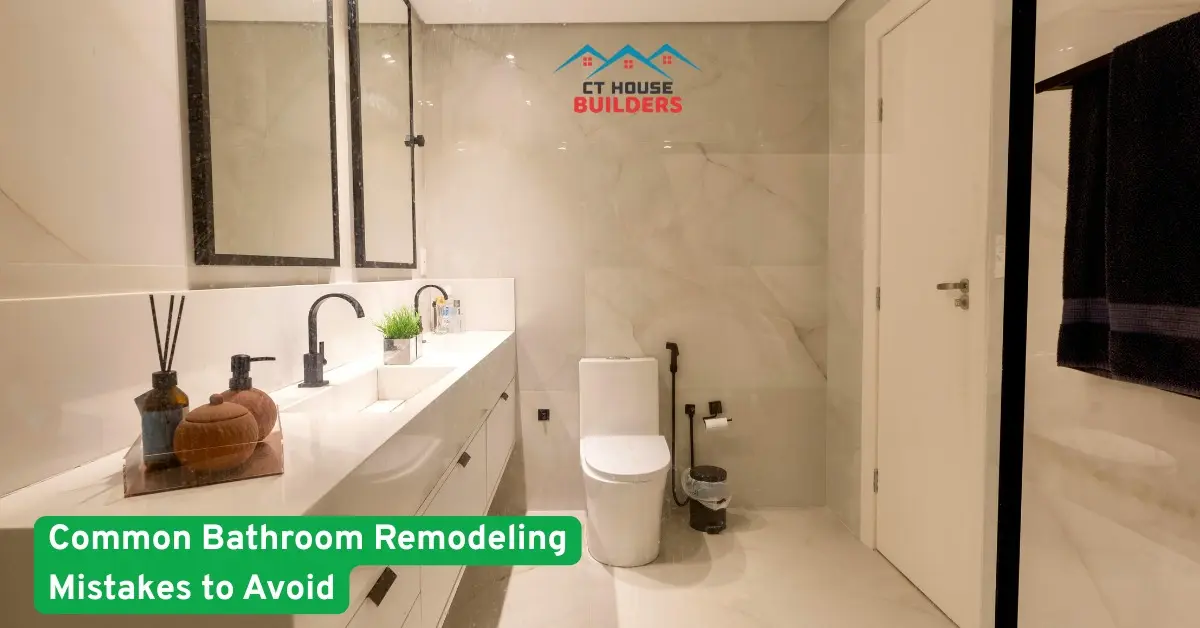
Starting a home renovation is an investment in your comfort and property value, but understanding the Common Bathroom Remodeling Mistakes to Avoid is the only way to ensure that investment pays off. Most homeowners begin this journey because their current space is outdated, cramped, or showing signs of water damage. You are likely seeking a solution that balances aesthetic appeal with technical longevity. It is a high-stakes endeavor; industry research shows that bathroom remodels can offer an ROI of up to 60%, yet nearly 30% of homeowners have to call in a secondary contractor to fix errors made during a DIY or low-budget “quick fix.” This guide will solve your planning headaches by highlighting the critical errors—from improper drainage to poor lighting—that can derail even the most beautiful designs.
Technical Blunders That Break the Bank
The most devastating Common Bathroom Remodeling Mistakes to Avoid aren’t visible on the surface. They live behind the tile and under the floorboards. In a high-moisture environment, cutting corners on the “invisible” stuff is a recipe for disaster.
- Ignoring Ventilation: A bathroom without a high-quality exhaust fan is a petri dish for mold. Many homeowners forget to check if their fan is actually vented to the outside, rather than just into the attic.
- Poor Drainage Slope: Whether you are installing a curbless walk-in shower or a standard tub, if the pitch of the floor is off by even a fraction of an inch, you’ll be dealing with standing water and grout erosion for years.
- Incorrect Waterproofing: Using standard drywall behind shower tiles instead of a dedicated cement board or waterproof membrane is a classic error. Water will get behind your tiles, and without a proper barrier, it will rot your studs.
Layout and Ergonomic Oversights
A bathroom can look like a five-star spa, but if you hit your knees on the vanity every time you sit on the toilet, the design is a failure. Spatial planning is where many amateur designs fall apart.
The Swing Zone
One of the most frequent Common Bathroom Remodeling Mistakes to Avoid is failing to account for door swings. This includes the entry door, the shower door, and even vanity cabinets. In small Connecticut bathrooms, every inch of clearance matters. Consider sliding “barn” doors or pocket doors to maximize floor space.
Lighting and Electrical Safety
Relying on a single overhead light creates harsh shadows that make shaving or applying makeup impossible. A professional layout includes layered lighting:
- Task Lighting: Sconces at eye level on either side of the mirror.
- Ambient Lighting: Recessed ceiling lights for overall brightness.
- GFCI Protection: Ensure all outlets are Ground Fault Circuit Interrupter protected to meet 2026 safety codes.
Material Choices vs. Reality
Not every beautiful material belongs in a bathroom. Porous stones like marble require constant sealing and can be incredibly slippery when wet. Selecting high-quality porcelain or slip-resistant textured tiles is often the smarter move for a high-traffic family bathroom. Additionally, neglecting storage—like a built-in shower niche for shampoo—leads to cluttered counters that ruin the sleek look you worked so hard to achieve.
Frequently Asked Questions (FAQs)
1. Is it cheaper to keep the existing plumbing layout?
Yes, significantly. Moving a toilet or a shower drain involves cutting into the subfloor and rerouting vent stacks, which can add thousands to your labor costs.
2. How long does a typical bathroom remodel take?
For a full gut-renovation, you should plan for 3 to 5 weeks. Rushed jobs often lead to the very Common Bathroom Remodeling Mistakes to Avoid that this guide warns against.
3. Do I really need a permit for a bathroom remodel?
In Connecticut, most towns require a permit if you are moving walls, changing electrical wiring, or modifying plumbing lines. This ensures your home remains insurable and sellable.
4. What is the best flooring for a small bathroom?
Luxury Vinyl Plank (LVP) or Porcelain tile are the top choices for 2026. They are 100% waterproof and come in styles that mimic wood or natural stone perfectly.
5. How do I choose the right vanity height?
Standard heights are 30–32 inches, but “Comfort Height” vanities (36 inches) are becoming the new standard as they reduce back strain for adults.
Why Choose CT House Builders?
At CT House Builders, we pride ourselves on getting the “unseen” details right the first time. We understand that a bathroom is the most technically complex room in your home, requiring a perfect orchestration of plumbing, electrical, and cabinetry. We have built our reputation on helping residents navigate the Common Bathroom Remodeling Mistakes to Avoid, ensuring that our projects aren’t just beautiful on day one, but structurally sound for decades. When you choose CT House Builders, you are choosing a partner who values transparency, follows the strictest 2026 building codes, and brings an authoritative level of craftsmanship to every square inch of your home.
Elevate Your Home with Professional Precision
In conclusion, your bathroom should be a sanctuary of relaxation, not a source of stress. By focusing on proper ventilation, waterproof membranes, and ergonomic layouts, you ensure a successful renovation that adds true value to your life and your property.
Start Your Stress-Free Remodel
Ready to transform your bathroom without the typical headaches? Contact CT House Builders today for a comprehensive design consultation. Let’s build a space that combines luxury with lasting durability!